
Can Rituals in Varanasi Be Done Without Staying Overnight? , Have you ever wondered what makes Varanasi so magnetic to millions of pilgrims and travelers each year? The ancient city, nestled along the banks of the sacred Ganges River, pulses with spiritual energy that’s almost tangible. At the heart of this mystical experience are the ghats—those stone steps leading down to the holy waters where life, death, and rebirth intersect in the most profound ways.
But here’s the thing: timing is everything in Varanasi. Show up at the wrong hour, and you might miss the soul-stirring rituals that make this city legendary. Arrive too late, and you’ll be fighting crowds instead of finding peace. So, how early should you actually reach the ghat for rituals in Varanasi? Let’s dive deep into this question and uncover the secrets to experiencing Varanasi at its most authentic.
Understanding the Spiritual Significance of Ghat Rituals
Why Timing Matters in Hindu Rituals
In Hindu philosophy, time isn’t just a measurement—it’s a living, breathing entity with its own spiritual significance. The ancient scriptures speak of auspicious hours called “muhurat,” when the veil between the earthly and divine realms grows thinner. These aren’t arbitrary concepts dreamed up by priests; they’re rooted in centuries of astronomical observation and spiritual practice.
When you perform rituals during these sacred windows, believers say the prayers carry more power, the offerings find deeper acceptance, and the soul experiences greater transformation. It’s like catching a wave at exactly the right moment—the energy is already there, you’re just aligning yourself with it.
The Connection Between Dawn and Divinity
Can Rituals in Varanasi Be Done Without Staying Overnight? ,There’s something magical about dawn, isn’t there? That hushed moment when darkness surrenders to light, when the world takes its first breath of a new day. In Varanasi, this transition isn’t just poetic—it’s profoundly spiritual. The pre-dawn hours, known as “Brahma Muhurta,” are considered the most auspicious time for spiritual practices.
During these moments, the Ganges seems to shimmer with otherworldly light, the chants of priests echo across the water, and you can almost feel the presence of something greater than yourself. This is when the city’s spiritual heartbeat is strongest, and this is when you want to be there.
Different Types of Rituals Performed at Varanasi Ghats
Morning Pujas and Holy Baths
The morning rituals at Varanasi’s ghats are a sight to behold. Pilgrims descend the ancient stone steps, carrying brass vessels and offerings, ready to immerse themselves in the sacred waters. These aren’t casual dips—they’re profound acts of devotion meant to wash away sins, purify the soul, and reconnect with the divine.
Morning pujas involve offerings of flowers, incense, and prayers to the rising sun. Priests perform elaborate ceremonies, their Sanskrit mantras weaving through the morning air like invisible threads connecting earth to heaven. If you’re planning to participate in or witness these rituals, you need to be strategic about your timing.
Evening Ganga Aarti
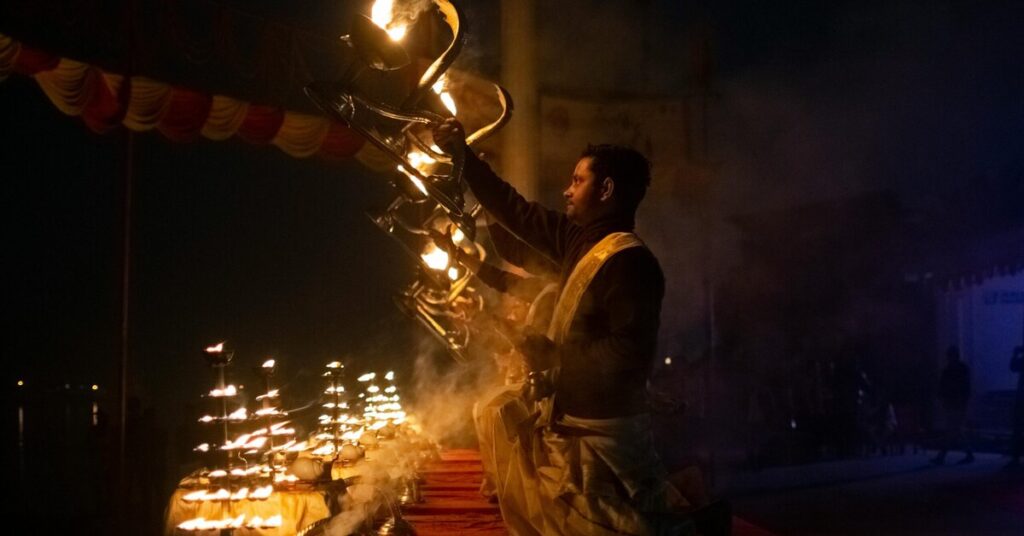
If morning rituals are the quiet whisper of devotion, the evening Ganga Aarti is its thunderous proclamation. This spectacular ceremony, held primarily at Dashashwamedh Ghat, is a sensory explosion of fire, music, chanting, and devotion. Massive brass lamps are lit and waved in synchronized patterns, creating a dance of flames that reflects off the river’s surface.
The aarti draws enormous crowds—locals, pilgrims, and tourists all jostling for a glimpse of this ancient tradition. The atmosphere is electric, almost carnival-like, yet deeply reverent. Getting a good spot requires careful planning and early arrival.
Funeral Rites and Cremation Ceremonies
Varanasi is perhaps most famous for its cremation ghats, particularly Manikarnika and Harishchandra. Here, the cycle of life and death plays out in the open, with funeral pyres burning around the clock. Dying in Varanasi and being cremated on its ghats is believed to grant moksha—liberation from the cycle of rebirth.
While these aren’t rituals you’d typically “attend” as an outsider, they’re an integral part of the ghat experience. If you’re visiting these areas, sensitivity and respect are paramount, and understanding the timing of your visit matters for both practical and ethical reasons.
Best Time to Arrive for Morning Rituals
Sunrise Rituals: The Golden Hour
Sunrise in Varanasi typically occurs between 5:30 AM and 6:30 AM, depending on the season. This golden hour is when the ghats truly come alive with spiritual activity. The soft morning light paints everything in warm hues, the air is cool and fresh, and the energy is palpable.
If you want to witness or participate in morning rituals, plan to arrive at the ghat by 5:00 AM. This gives you time to find your spot, acclimate to the environment, and prepare yourself mentally and spiritually for what’s ahead. The rituals typically begin around 5:30 AM and continue for about an hour.
Arriving Before Dawn: Why Earlier is Better
But here’s the insider secret: if you really want the full experience, arrive even earlier—around 4:30 AM or 5:00 AM at the latest. Yes, I know that sounds brutal, especially if you’re jet-lagged or not a morning person. But trust me on this.
Arriving before dawn allows you to witness the transformation of the city from slumber to spiritual awakening. You’ll see priests preparing for rituals, early bathers performing their ablutions in relative solitude, and the gradual gathering of devotees. The pre-dawn darkness adds an element of mystery and intimacy that disappears once the sun fully rises and crowds increase.
Plus, you’ll secure the best vantage points before they’re claimed by others. Whether you’re photographing, meditating, or simply observing, that extra space and tranquility makes all the difference.
Optimal Timing for Evening Ganga Aarti
When Does the Aarti Actually Begin?
The evening Ganga Aarti at Dashashwamedh Ghat typically begins around 6:00 PM to 7:00 PM, depending on the season. In summer months, it starts slightly later due to extended daylight hours; in winter, it may begin earlier as darkness falls sooner. The ceremony itself lasts approximately 45 minutes to an hour.
These times can vary slightly, so it’s wise to confirm with locals or your hotel on the day of your visit. But as a general rule, plan for the aarti to begin around sunset.
How Early Should You Arrive to Get a Good Spot?
Here’s where things get competitive. The Ganga Aarti is immensely popular, attracting thousands of spectators every single evening. If you want a decent viewing spot—especially on the main viewing platforms—you need to arrive at least 60 to 90 minutes before the ceremony begins.
That means getting to the ghat by 4:30 PM to 5:00 PM. Yes, you’ll be waiting for a while, but it’s worth it. Use this time to soak in the atmosphere, watch the preparations, and perhaps enjoy some chai from a nearby vendor.
If you’re willing to view from a boat on the river (which offers a unique perspective), you have slightly more flexibility. Boat operators typically start positioning their vessels about 30 to 45 minutes before the aarti. Still, booking your boat in advance is highly recommended, especially during peak tourist seasons.
Seasonal Variations in Ghat Timings
Summer vs Winter: How Seasons Affect Ritual Times
Varanasi experiences dramatic seasonal variations, and these impact ritual timings significantly. During summer months (April to June), temperatures can soar above 40°C (104°F), making midday visits to the ghats practically unbearable. Morning rituals tend to start slightly earlier—around 5:00 AM—as people try to complete their devotions before the heat becomes oppressive.
Winter months (November to February) bring cooler, more pleasant temperatures, but also thick morning fog that can blanket the ghats in an ethereal haze. Morning rituals might begin slightly later, around 6:00 AM, as the fog takes time to lift. The winter mornings, while colder, offer a hauntingly beautiful atmosphere that many consider the best time to visit.
Monsoon season (July to September) presents its own challenges, with occasional flooding and slippery steps. Rituals continue regardless of rain, but crowd sizes fluctuate based on weather conditions.
Festival Days and Special Occasions
During major Hindu festivals like Dev Deepawali, Mahashivratri, or Kartik Purnima, all bets are off. The ghats become absolutely packed with pilgrims, and normal timing considerations go out the window. On these special occasions, you need to arrive even earlier—sometimes several hours in advance—to secure any spot at all.
Festival days also feature extended ceremonies and special rituals that don’t occur during regular days. These occasions offer incredible cultural experiences, but require extra patience, flexibility, and early arrival.
Practical Tips for Planning Your Ghat Visit
Transportation and Accessibility
Getting to the ghats in the pre-dawn hours requires planning. Most of the main ghats are accessible by auto-rickshaw or taxi, but narrow lanes near the riverfront mean you’ll likely need to walk the final stretch. Arrange your transportation the night before, and be clear about your early morning departure time.
Many hotels in the old city area are within walking distance of the main ghats. If you’re staying elsewhere, consider hiring a driver who knows the area well and can navigate the quiet, sometimes confusing streets in the darkness.
Some ghats have limited wheelchair accessibility due to steep, uneven steps. If mobility is a concern, research specific ghats beforehand and consider viewing areas that offer flatter terrain.
What to Bring and What to Avoid
For morning visits, bring a light shawl or scarf—mornings can be surprisingly cool, especially in winter. Comfortable walking shoes with good grip are essential, as the stone steps can be slippery, particularly after morning baths. A small bottle of water, some cash for offerings or donations, and perhaps a simple cushion or mat for sitting can enhance your experience.
Leave valuables at your hotel. Expensive jewelry, large amounts of cash, and non-essential electronics are best secured elsewhere. A simple camera or smartphone is fine, but be respectful about photography—always ask permission before photographing people during their prayers or rituals.
Respecting Local Customs and Traditions
This cannot be overstated: you are entering sacred space that holds deep meaning for millions of people. Dress modestly—shoulders and knees should be covered. Remove shoes before stepping onto certain areas if indicated. Speak softly and avoid disruptive behavior.
If you’re menstruating, be aware that some areas have traditional restrictions. While many modern Indians don’t observe these, it’s worth understanding local sensitivities.
Don’t interrupt people during their prayers or rituals. Observe quietly, and if you’re invited to participate, do so with genuine respect and humility. This isn’t a tourist attraction in the conventional sense—it’s living, breathing spirituality.
Common Mistakes Tourists Make
One of the biggest mistakes visitors make is arriving at the ghats during peak daylight hours and wondering where all the magic is. By 9:00 AM, the intense spiritual atmosphere of dawn has dissipated, replaced by the mundane bustle of daily life. You’ll see more touts than devotees, more commercial activity than spiritual practice.
Another error is treating the ghats like a photo opportunity rather than a sacred experience. Yes, photography is generally permitted, but prioritize presence over documentation. Put the camera down occasionally and simply witness what’s unfolding before you.
Many tourists also underestimate the physical demands. The stone steps are steep and numerous, the crowds can be overwhelming, and the sensory intensity—sights, sounds, smells—can be jarring if you’re unprepared. Pace yourself, stay hydrated, and know your limits.
Finally, don’t rush. One of the greatest gifts you can give yourself in Varanasi is time. If you’re constantly checking your watch or thinking about your next destination, you’ll miss the subtle transformations that make this place special.
How to Make the Most of Your Spiritual Experience
Approaching the ghats with an open heart and mind transforms a tourist visit into a genuine spiritual experience. Consider starting your day with meditation or prayer before heading to the ghat. This mental preparation helps you receive the experience more fully.
If possible, visit the same ghat multiple times during your stay. There’s something powerful about returning to the same sacred space—it allows deeper connection and understanding. You’ll notice details you missed initially, recognize patterns in the rituals, and perhaps even exchange greetings with regular worshippers who begin to recognize you.
Consider hiring a knowledgeable local guide, not just for logistics but for spiritual context. A good guide can explain the symbolism behind rituals, share stories about the ghats’ history, and help you navigate cultural nuances you might otherwise miss.
Finally, participate if you feel called to do so. Take a holy bath if it resonates with you. Offer flowers to the Ganges. Light a diya (small oil lamp) and set it afloat on the river. These acts of participation, when done with genuine respect and intention, can create profound personal meaning.
Conclusion
So, how early should you reach the ghat for rituals in Varanasi? The answer depends on what you’re seeking and which rituals you want to witness. For morning ceremonies, aim to arrive by 4:30 AM to 5:00 AM to experience the magical pre-dawn atmosphere and secure a good spot. For the evening Ganga Aarti, get there 60 to 90 minutes early—around 4:30 PM to 5:00 PM—especially if you want a prime viewing location.
But beyond the practical timing, remember that your experience in Varanasi is shaped as much by your attitude as your arrival time. Come with respect, openness, and patience. Allow yourself to be moved by the ancient rituals, touched by the devotion you witness, and transformed by the spiritual energy that flows as constantly as the Ganges itself.
Varanasi doesn’t give up its secrets easily, but for those willing to wake before dawn, stand among the faithful, and open their hearts to something greater than themselves, the rewards are immeasurable. This isn’t just about checking an item off your travel bucket list—it’s about touching something eternal, something that has flowed through this sacred city for millennia and will continue long after we’re gone. Read More About Naimisaranya
FAQs
1. Is it safe to visit the ghats very early in the morning?
Yes, Varanasi’s ghats are generally safe even in the pre-dawn hours, as there are always priests, pilgrims, and early-morning worshippers present. However, stick to well-lit and populated areas, travel in groups if possible, and arrange your transportation in advance. The spiritual community that gathers at these hours creates a protective atmosphere, but basic travel safety precautions always apply.
2. Can I take a holy bath in the Ganges, and what should I know before doing so?
You can participate in the holy bath tradition if you wish, but be aware that the Ganges, while spiritually pure, faces environmental pollution challenges. Many pilgrims still bathe with deep faith in its purifying powers. If you choose to bathe, wear modest clothing, avoid submerging your head or swallowing water, and shower with clean water afterward. Consider simply wading or performing a symbolic ritual if you have health concerns.
3. Do I need to hire a priest to perform rituals, or can I do them myself?
You can perform simple personal rituals yourself, such as offering flowers or lighting a diya. However, for more elaborate ceremonies like pujas or special blessings, hiring a priest is customary and often necessary. Priests can guide you through proper protocols and mantras. Agree on fees beforehand to avoid misunderstandings, as this is their livelihood.
4. What’s the best ghat to visit for a first-time visitor to Varanasi?
Dashashwamedh Ghat is the most famous and hosts the spectacular evening Ganga Aarti, making it ideal for first-timers. For a more intimate morning experience, Assi Ghat offers beautiful sunrise rituals with slightly smaller crowds. Manikarnika Ghat, the primary cremation ghat, provides a profound perspective on life and death but requires emotional preparation and cultural sensitivity.
5. How should I dress when visiting the ghats for rituals?
Dress modestly and respectfully. Both men and women should cover shoulders and knees. Lightweight, loose-fitting clothing works best in Varanasi’s climate. Avoid shorts, sleeveless tops, and revealing clothing. Remove shoes when indicated, and consider bringing a scarf or shawl for covering your head if you enter temple areas. White or light-colored clothing is traditional for spiritual ceremonies but not mandatory for visitors.





Comments are closed.